
Cairo and the Giza Plateau
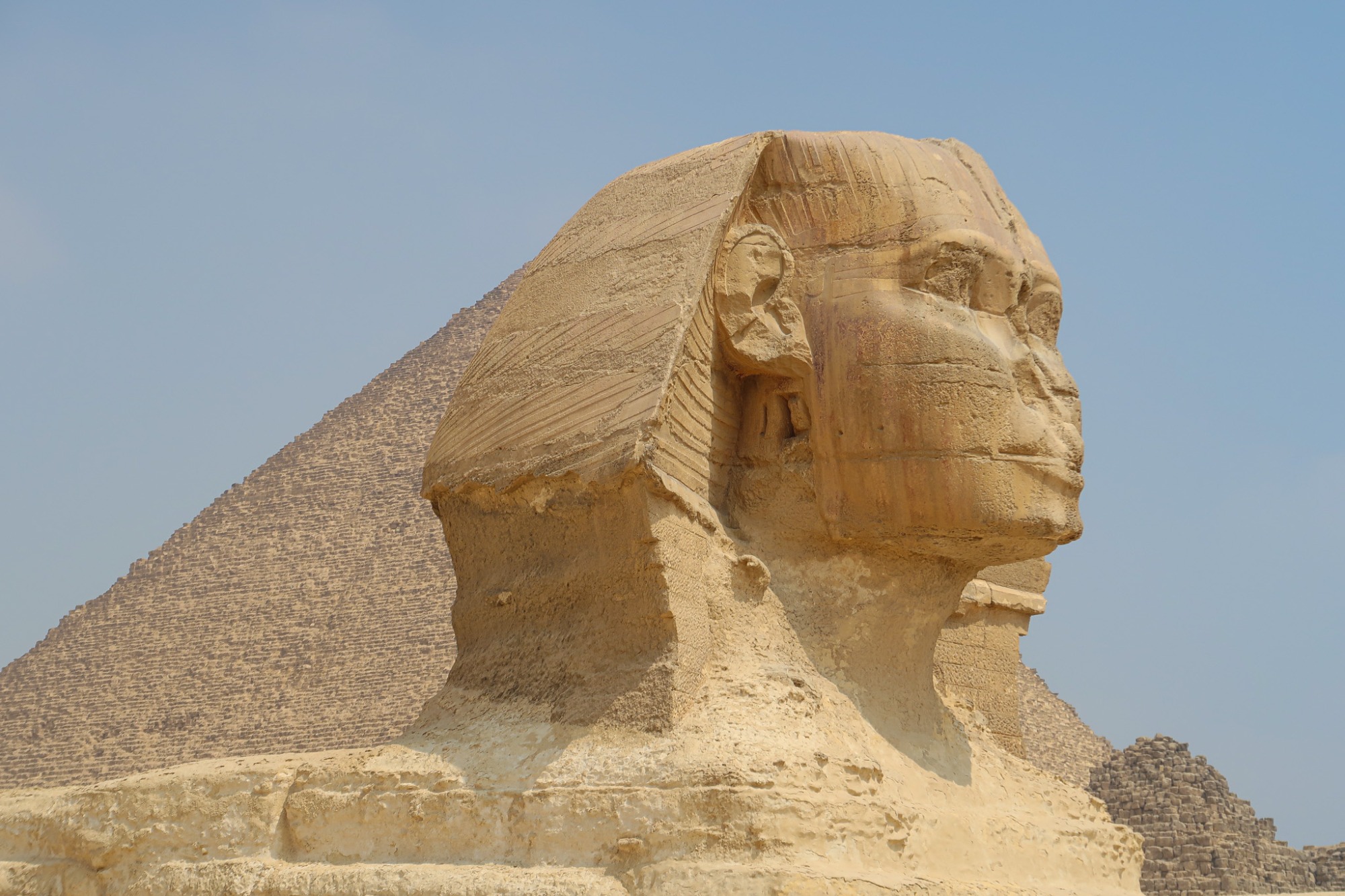
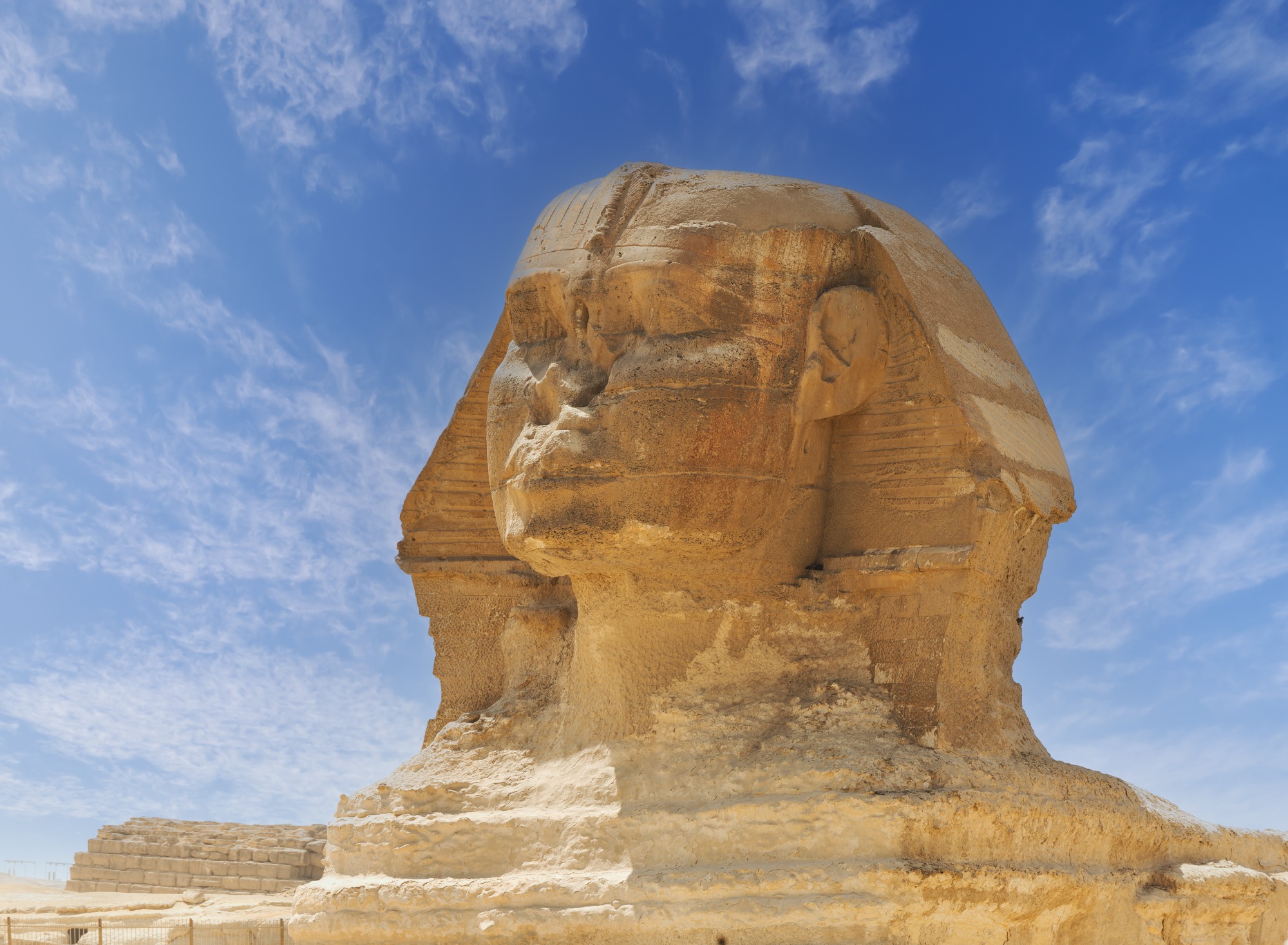
The Sphinx - Giza Plateau (Click on to Expand)
Quick Links to on Page Topics:
CAIRO, Egypt’s sprawling capital, is a vibrant metropolis where ancient history and modern life blend seamlessly. Situated on the banks of the River Nile, the city is famed for its remarkable landmarks, including the awe-inspiring Giza Pyramids and the enigmatic Sphinx. Cairo’s bustling streets are lined with ornate mosques, lively markets such as Khan El Khalili, and an array of museums showcasing the rich tapestry of Egyptian civilisation. Visitors can immerse themselves in the city’s energetic atmosphere, savour traditional cuisine, and experience the warmth of local hospitality. Whether exploring centuries-old monuments or enjoying contemporary art and nightlife, Cairo offers an unforgettable journey through time and culture.
The Giza Plateau
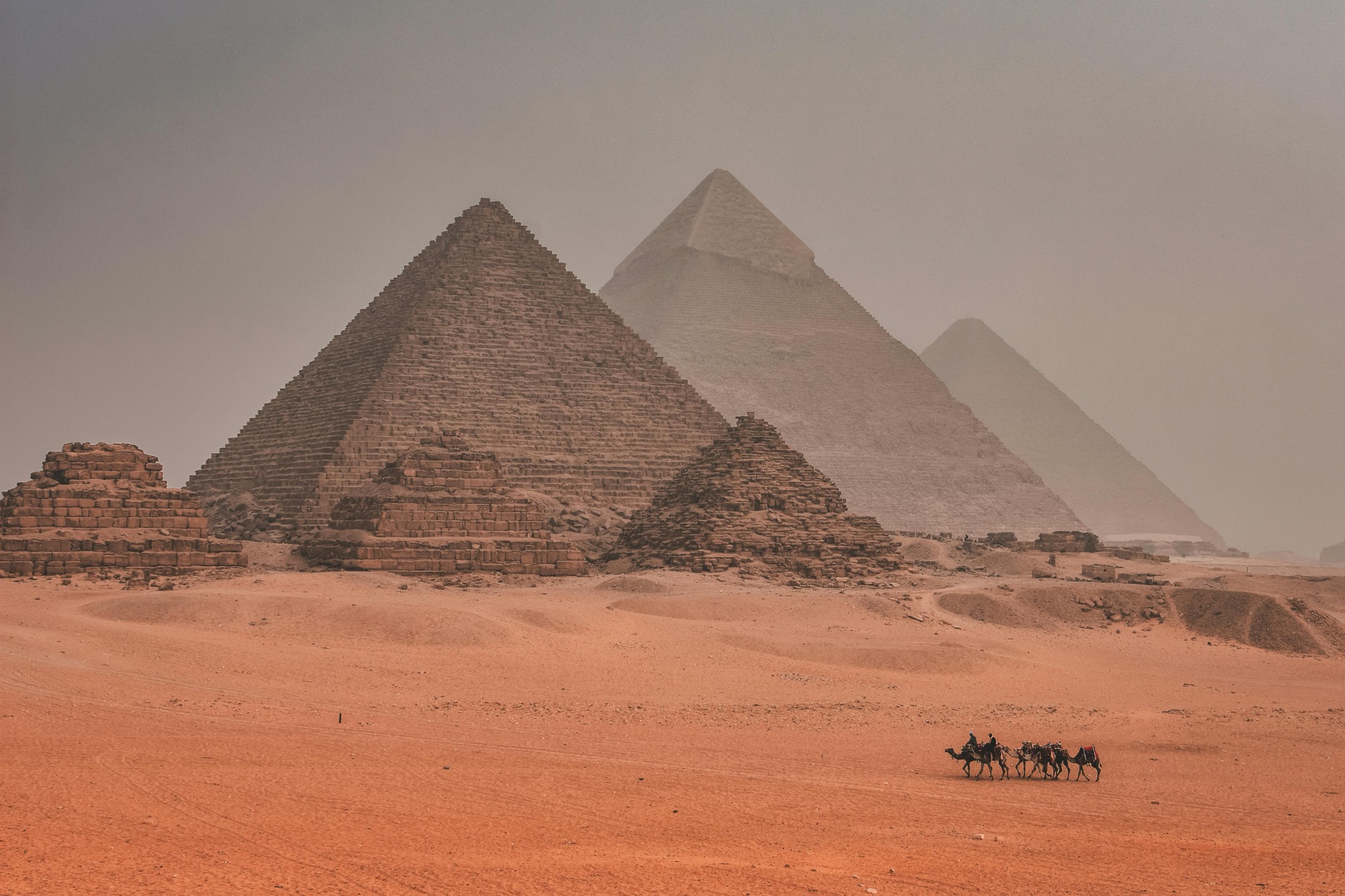
Giza Plateau (Click on to Expand)
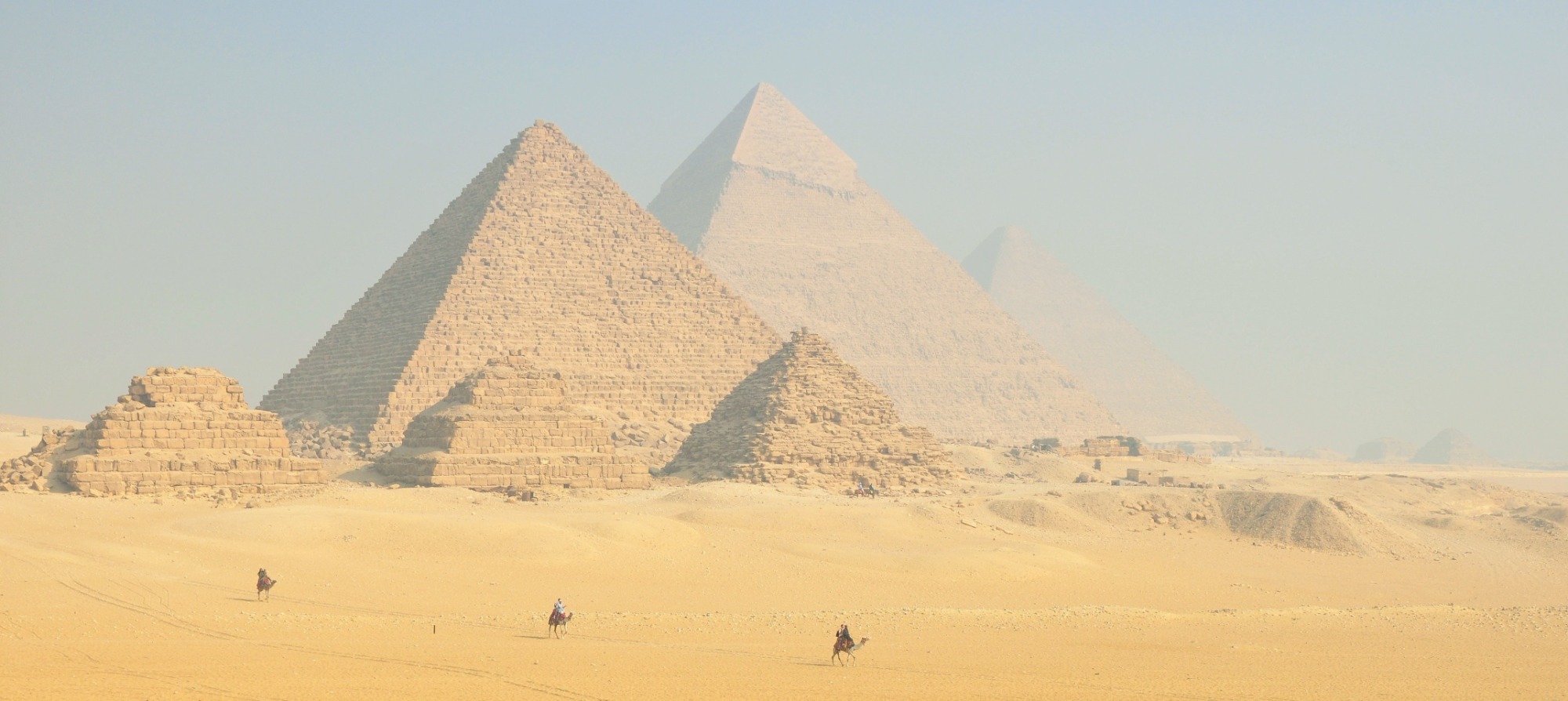
No trip to Cairo would be complete without exploring the legendary Giza Plateau, home to the world-famous Pyramids of Giza and the enigmatic Sphinx. Situated just west of the city, the plateau is one of Egypt’s most iconic archaeological sites and offers a mesmerising glimpse into the country’s ancient wonders.
The Great Pyramid of Khufu: The largest and oldest of the three pyramids, Khufu’s pyramid is a marvel of engineering and the only surviving wonder of the ancient world. Visitors can admire its imposing structure and, for the adventurous, venture inside to explore the narrow passages leading to the King’s Chamber.
The Pyramid of Khafre: Slightly smaller but no less impressive, the Pyramid of Khafre is distinguished by remnants of its original limestone casing at the summit. Adjacent to the pyramid stands the iconic Sphinx, with its mysterious expression and lion’s body, believed to symbolise royal power and protection.
The Pyramid of Menkaure: The smallest of the three main pyramids, Menkaure’s structure is notable for its complex of subsidiary pyramids and elaborate mortuary temple, offering fascinating insights into ancient burial practices.
The Great Sphinx: This colossal statue carved from limestone is one of Egypt’s most recognisable monuments. Its enigmatic face has captivated visitors for centuries, and guided tours offer a deeper understanding of its significance and the myths surrounding it.
Solar Boat - now housed at The Grand Egyptian Museum: this is the reconstructed ancient wooden boat, believed to have carried the pharaoh Khufu’s soul on his journey to the afterlife.
In addition to these highlights, the Giza Plateau offers panoramic views of the pyramids and the surrounding desert, making it a fantastic spot for photography and camel rides. Early mornings or late afternoons are ideal for visiting, as the light beautifully illuminates the ancient stones and crowds are thinner.
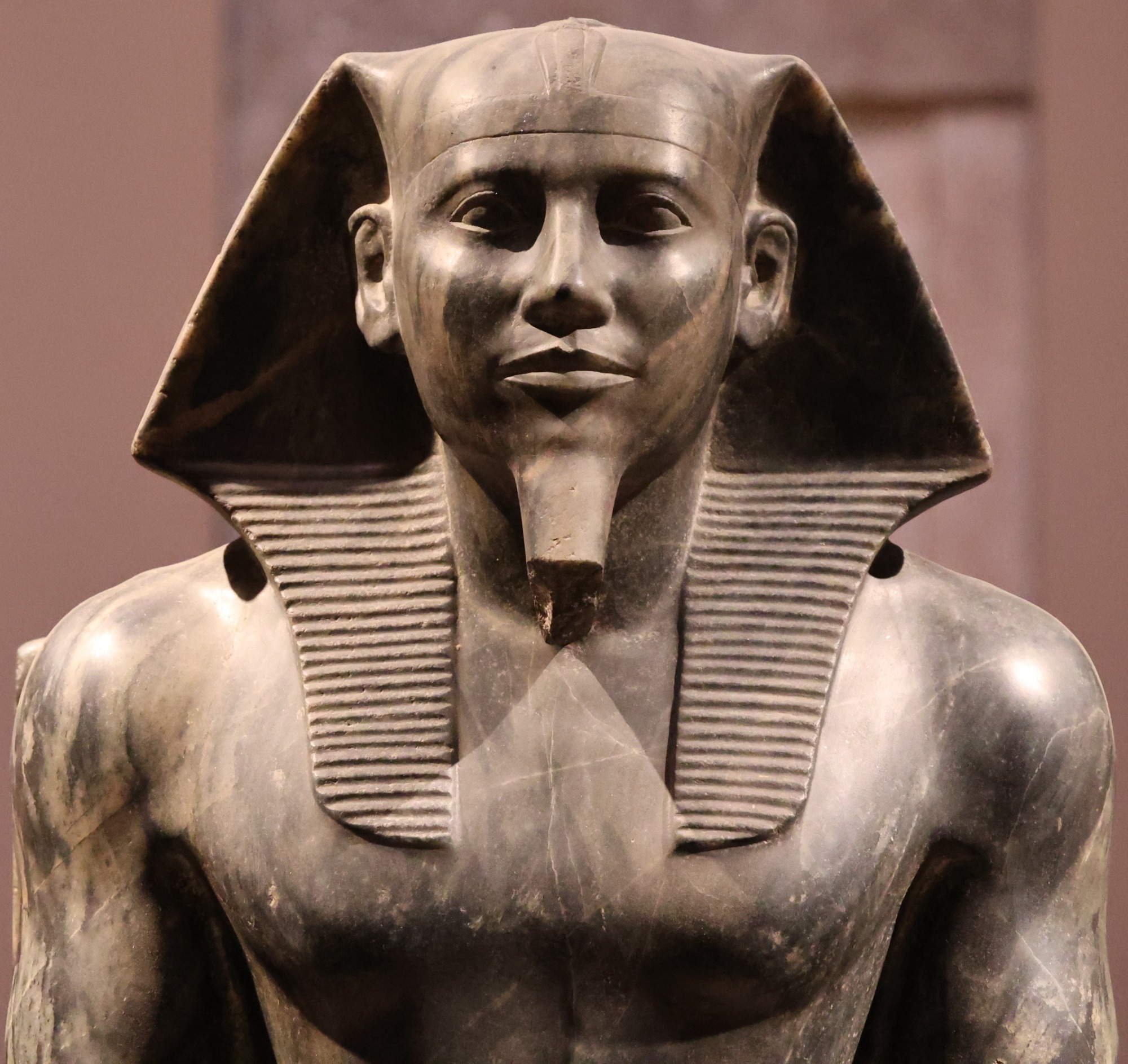
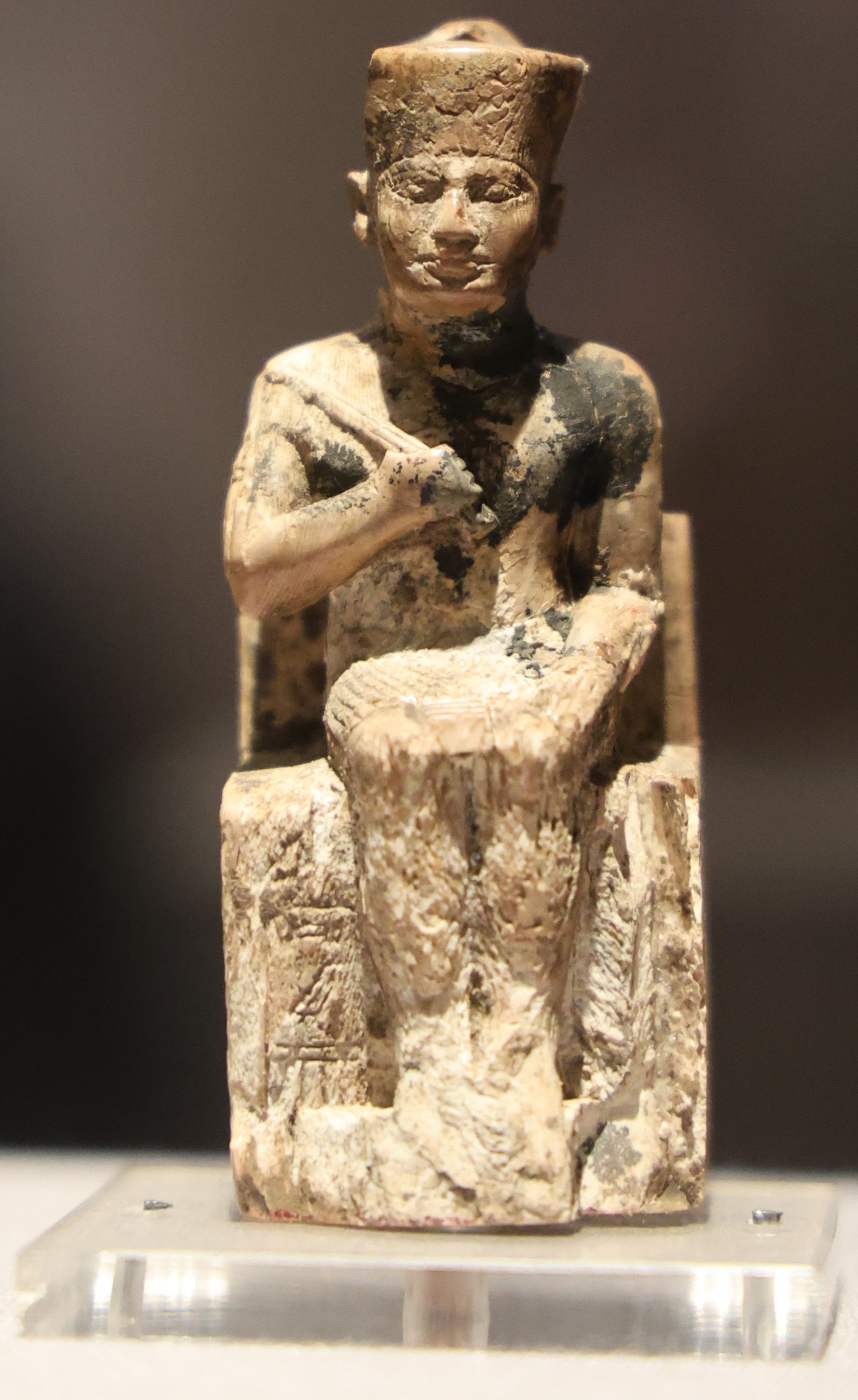
Click on to Expand and Explanation
Central Cairo and Museums
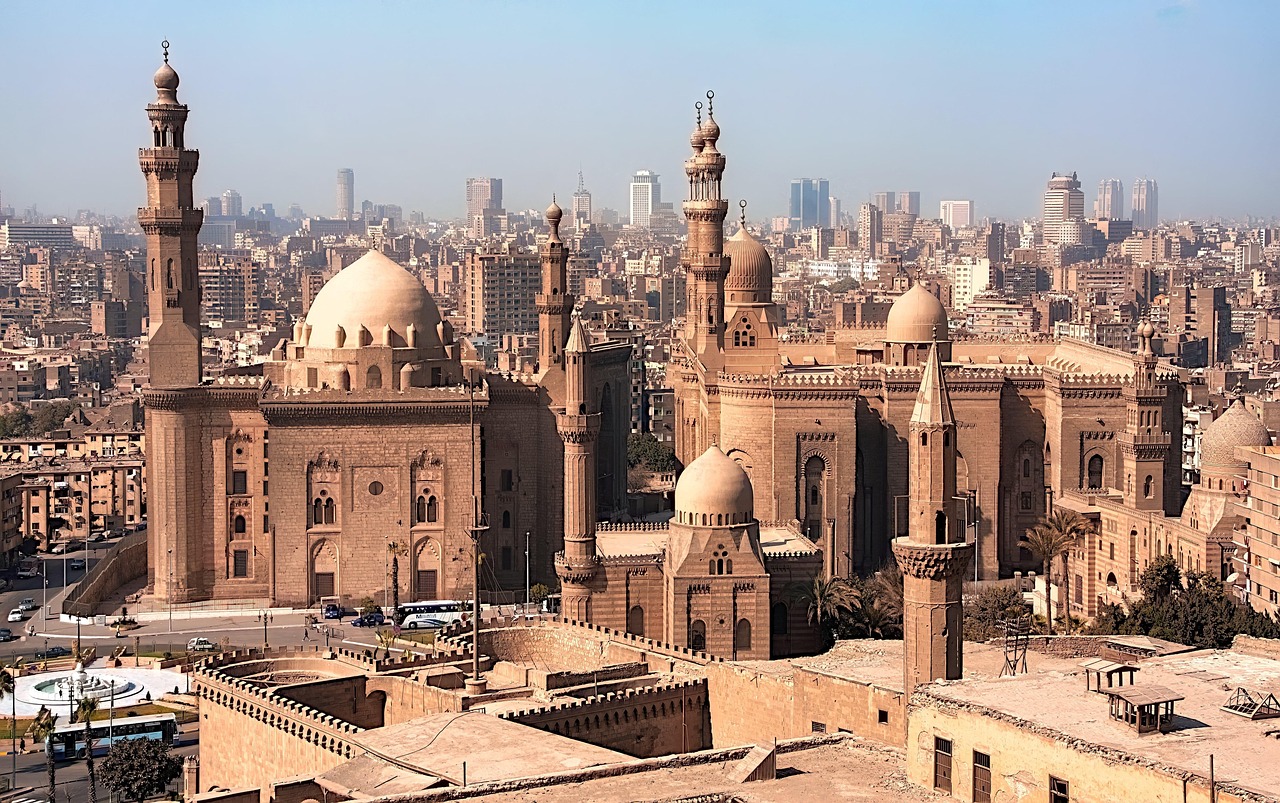
Cairo (Click on to Expand)
Central Cairo
Central Cairo pulses with energy, offering a vibrant blend of historic charm and modern life that makes it the city’s beating heart. Begin your exploration at Tahrir Square, a bustling civic hub surrounded by significant landmarks such as the Egyptian Museum, which houses a world-renowned collection of ancient artefacts—including the treasures of Tutankhamun - imminently to be re housed at the Grand Egyptian Museum. Strolling along the wide boulevards, you’ll encounter grand colonial-era architecture, lively cafés, and the imposing facade of the Cairo Opera House, a centre for culture and the arts.
For those seeking a taste of local life, wander through the historic streets of Downtown Cairo, where Art Deco buildings line bustling avenues filled with bookshops, patisseries, and traditional coffee houses. The area’s lively markets and street vendors offer everything from aromatic spices to handmade souvenirs, making it a delightful spot for shopping and people-watching.
Don’t miss a visit to the iconic Al-Azhar Mosque, one of the oldest Islamic universities in the world, where intricate architecture and a peaceful courtyard provide a tranquil escape.
Central Cairo is best explored on foot or by taxi, especially in the cooler hours of the day. Take time to relax in one of the city’s leafy public parks or rooftop cafés, where you can enjoy panoramic views of the Nile and the surrounding skyline. Whether you’re interested in history, shopping, or soaking up the city’s dynamic atmosphere, central Cairo offers an unforgettable introduction to the spirit of Egypt
Museums
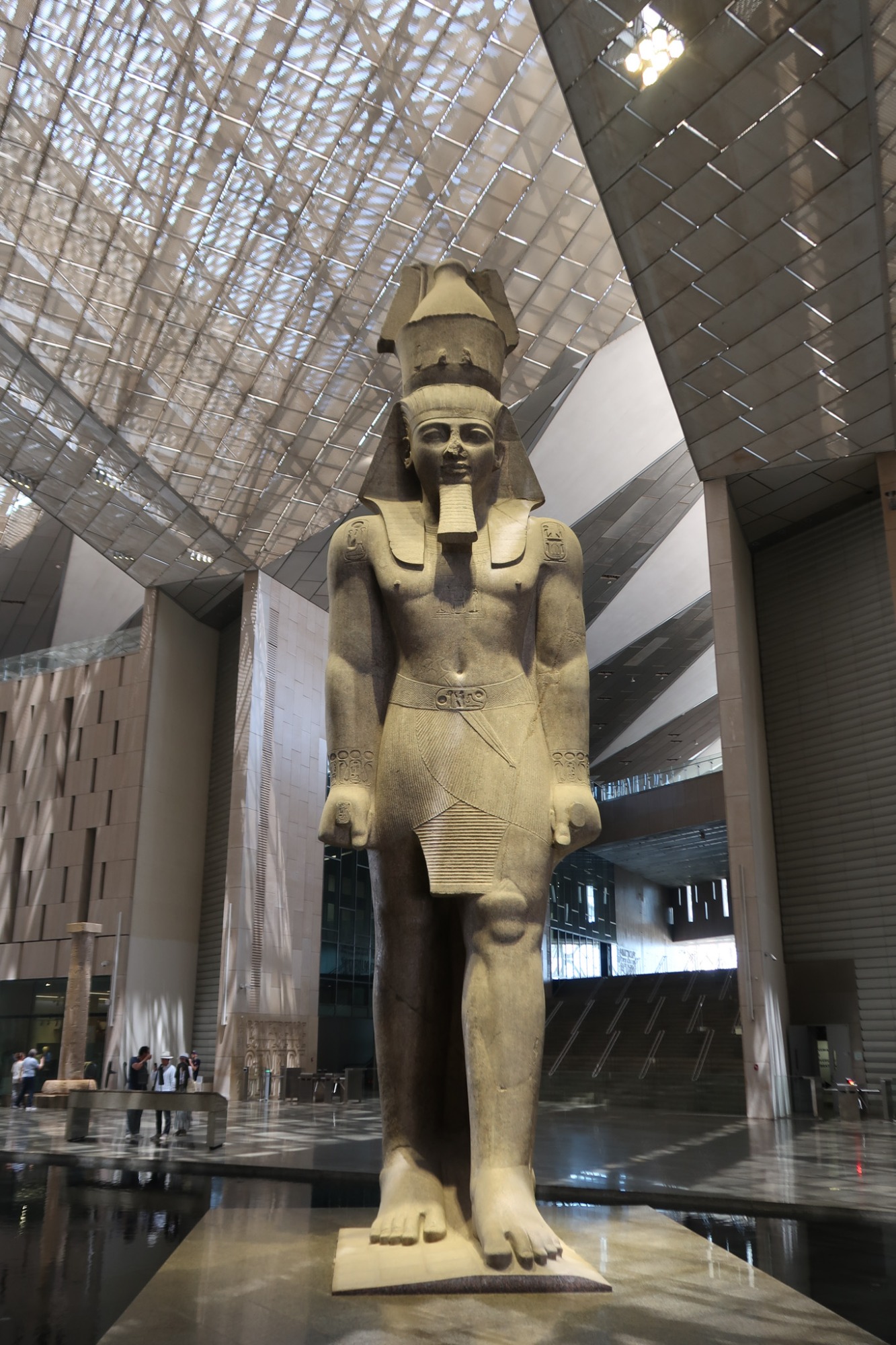
Cairo boasts an impressive range of museums that cater to every interest, making it a top destination for tourists keen to delve into Egypt’s fascinating history and culture. From the world-renowned Egyptian Museum and the newly opened Grand Egyptian Museum with their extraordinary ancient artifacts, including the treasures of Tutankhamun (recently transferred to the Grand Egyptian Museum), to the Museum of Islamic Art, which highlights centuries of exquisite craftsmanship, visitors will find plenty to explore. The Coptic Museum offers a captivating look at Egypt’s Christian heritage, while the National Museum of Egyptian Civilisation provides a sweeping overview from prehistoric times to today and includes the exceptional display of Royal Mummys. Each museum presents a distinct perspective, ensuring a memorable and enriching experience for travellers.
Museum Highlights: (If the Museum name is underlined you can click it to go to their home web page.)
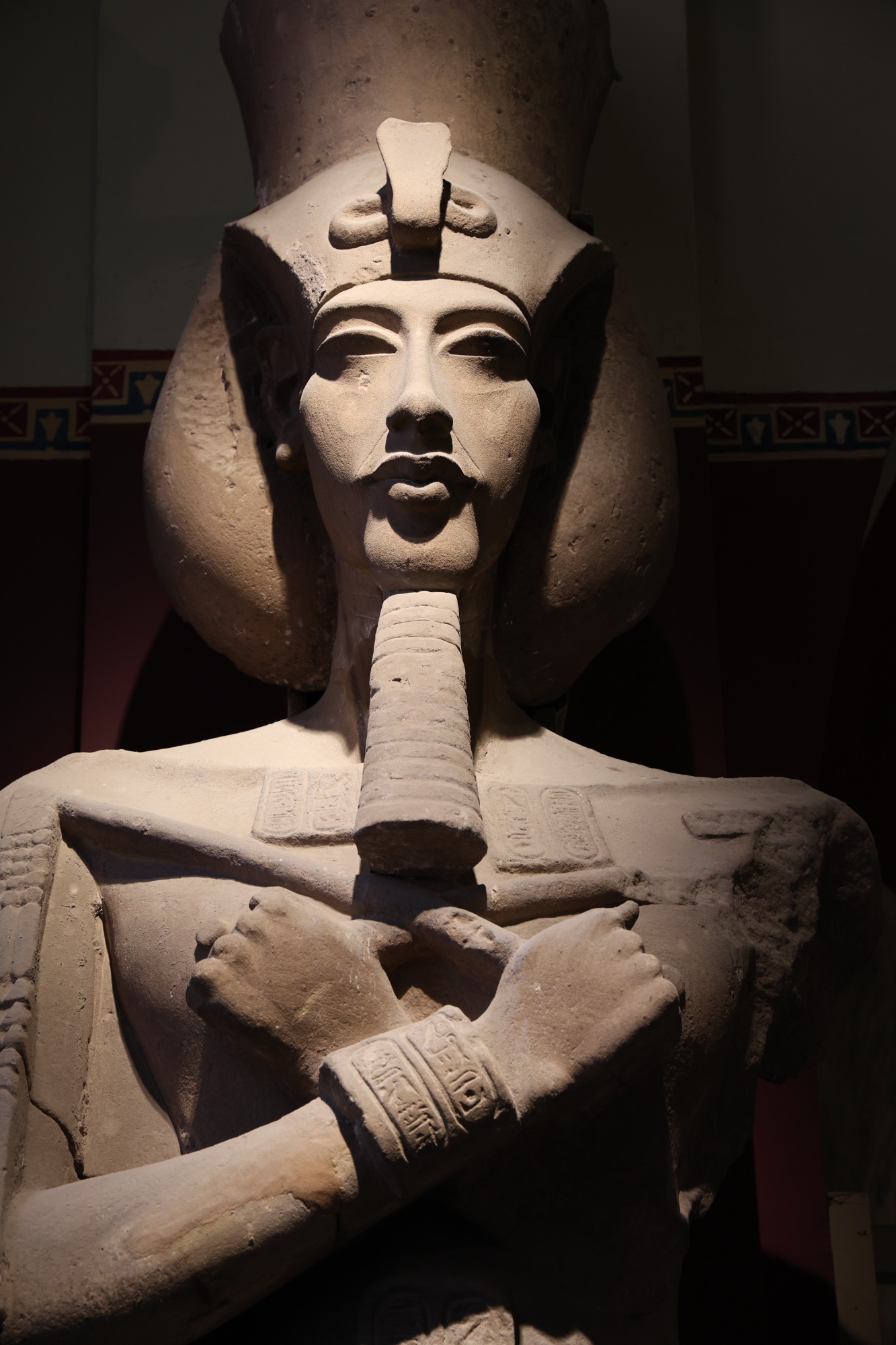
Click on to Expand and Explanation
Islamic Cairo
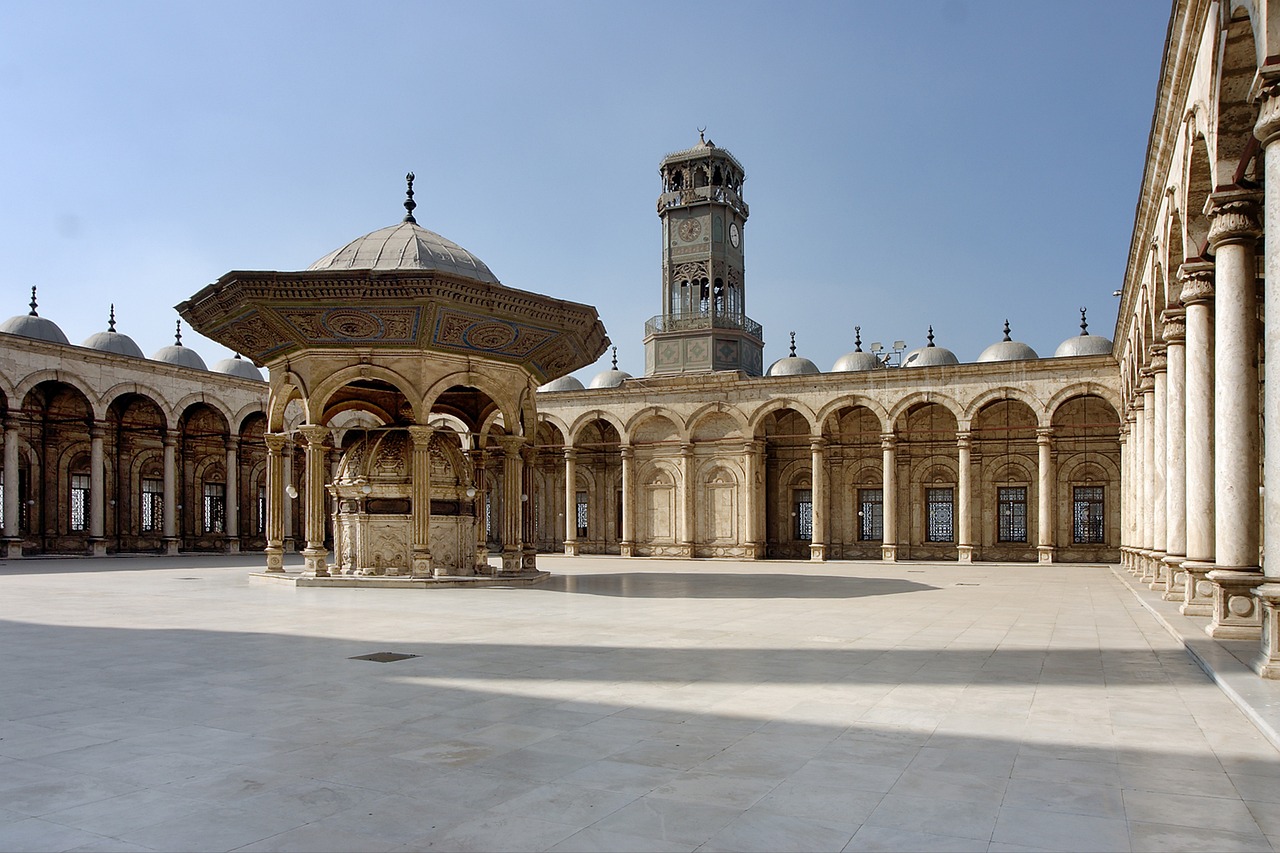
Mohamed Ali Mosque (Click on to Expand)
Visiting Islamic Cairo is an unmissable experience for anyone interested in Egypt’s layered history, vibrant street life, and architectural wonders. This district is a living testament to the city’s Islamic heritage, featuring an array of ancient mosques, madrasas, and bustling markets that capture the spirit of old Cairo. The area’s narrow, winding alleyways brim with energy, offering a glimpse into both the past and present of Egyptian culture.
One of the main highlights is the Citadel of Saladin, a formidable medieval fortress perched on Mokattam Hill. The Citadel not only provides spectacular panoramic views over Cairo but also houses the impressive Mosque of Muhammad Ali, renowned for its grand Ottoman architecture and ornate interiors. Exploring the Citadel reveals fascinating stories from Egypt’s military and religious past.
Another must-see is the famous Khan el-Khalili bazaar, a sprawling market that has been the commercial heart of Cairo for centuries. Here, visitors can wander through a maze of stalls selling everything from spices and perfumes to handcrafted jewellery and traditional souvenirs. The lively atmosphere, vibrant colours, and the scent of exotic spices make Khan el-Khalili an unforgettable destination for shopping and people-watching.
In addition to these landmarks, Islamic Cairo is dotted with other architectural gems such as the Sultan Hassan Mosque, the Al-Rifa’i Mosque, and the historic Al-Azhar Mosque and University, one of the oldest centres of Islamic learning in the world. Together, these sites offer a rich and immersive journey through the artistic, religious, and social history of Egypt’s capital, making Islamic Cairo an essential stop for any visitor.
Area Highlights:
- The Citadel
- Mosque of Ibn Tulun
- Khan al-Khalili Bazaar
Rhoda Island and Old Cairo
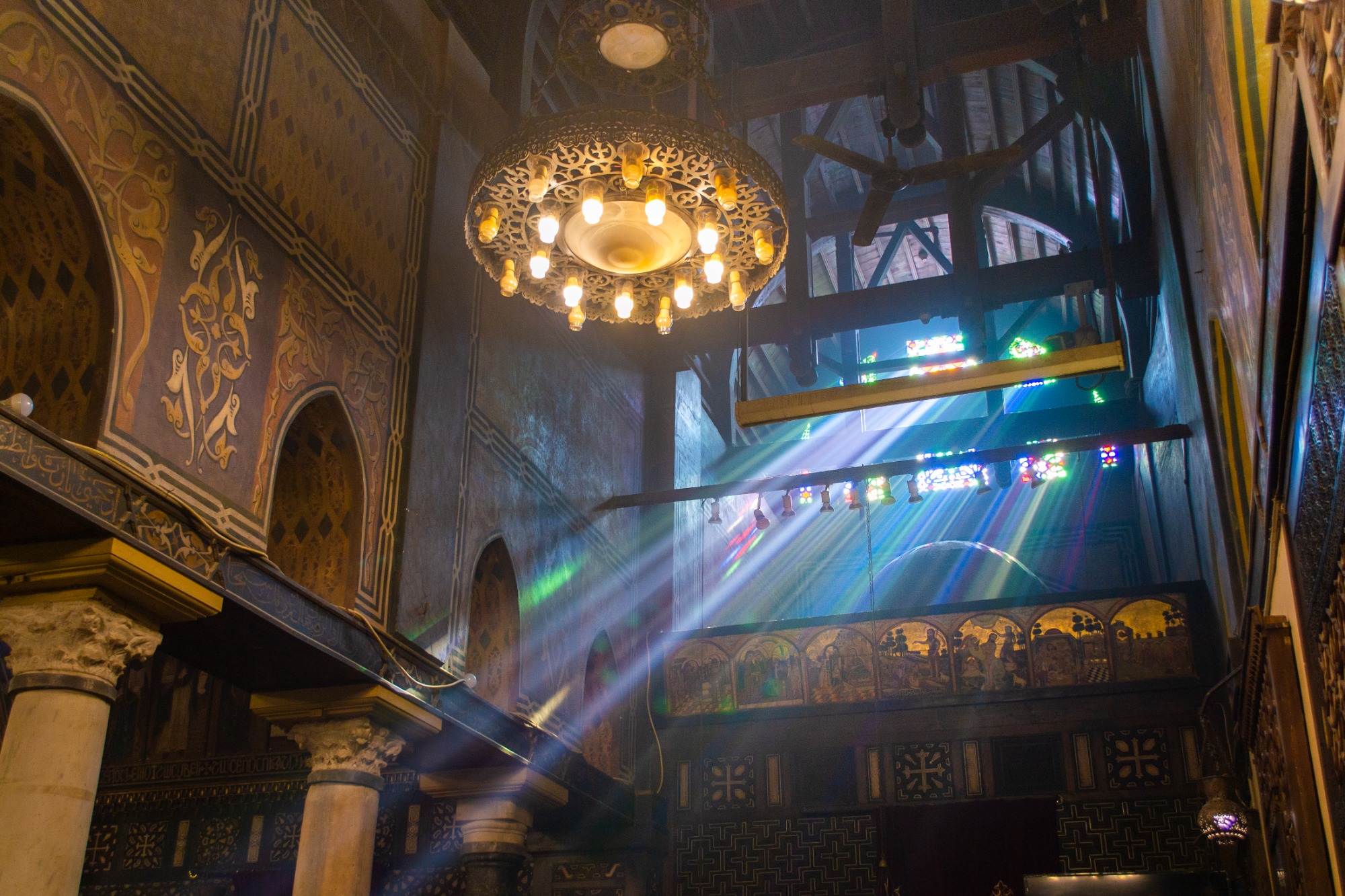
The Hanging Church (Click on to Expand)
Visiting Old Cairo and Rhoda Island offers a remarkable journey through time, where you'll encounter the heart of Egypt's diverse religious and cultural heritage. These areas are not only rich in historical significance but also provide a unique opportunity to explore the intersection of different faiths and civilisations in one vibrant setting.
In Old Cairo, you should make time to visit some of the most significant monastic and religious sites. The Hanging Church (Saint Virgin Mary's Coptic Orthodox Church) is a must-see; it is one of the oldest churches in Egypt, renowned for its stunning architecture and historical importance. Nearby, the Church of St Sergius and Bacchus is believed to be built above the crypt where the Holy Family is said to have stayed during their flight into Egypt. The Monastery and Church of St George, with its beautiful murals and ancient relics, is also well worth a visit.
The area is equally famous for its mosques, with the Amr Ibn Al-As Mosque standing out as the oldest mosque in Africa. Its historical significance and serene atmosphere provide a fascinating insight into the early Islamic period in Egypt. Additionally, the Mosque of Al-Mu'allaqa, situated near the Hanging Church, showcases the harmonious coexistence of different faiths within the neighbourhood.
Beyond religious sites, Old Cairo features the Ben Ezra Synagogue, the oldest in Cairo, which holds both beautiful architecture and deep historical roots. The Coptic Museum offers an unrivalled collection of artefacts, helping visitors understand the area's unique blend of cultures. The Roman Fortress of Babylon adds an ancient backdrop that highlights Old Cairo’s role as a crossroads of empires and faiths.
On Rhoda Island, the Nilometer is a highlight, reflecting Egypt's profound relationship with the Nile. The Manasterly Palace offers a glimpse into 19th-century elegance, while the island’s gardens serve as a peaceful retreat for leisurely exploration and riverside views.
Together, Old Cairo and Rhoda Island provide a comprehensive experience: from ancient monasteries, churches, mosques, and synagogues to lush gardens and historical marvels, making them essential destinations for anyone interested in Egypt’s layered history and cultural richness.
Area Highlights:
- The Hanging Church
- Greek Orthodox Church of St George
- Ben Ezra Synagogue
South of Giza - Saqqara to Amarna
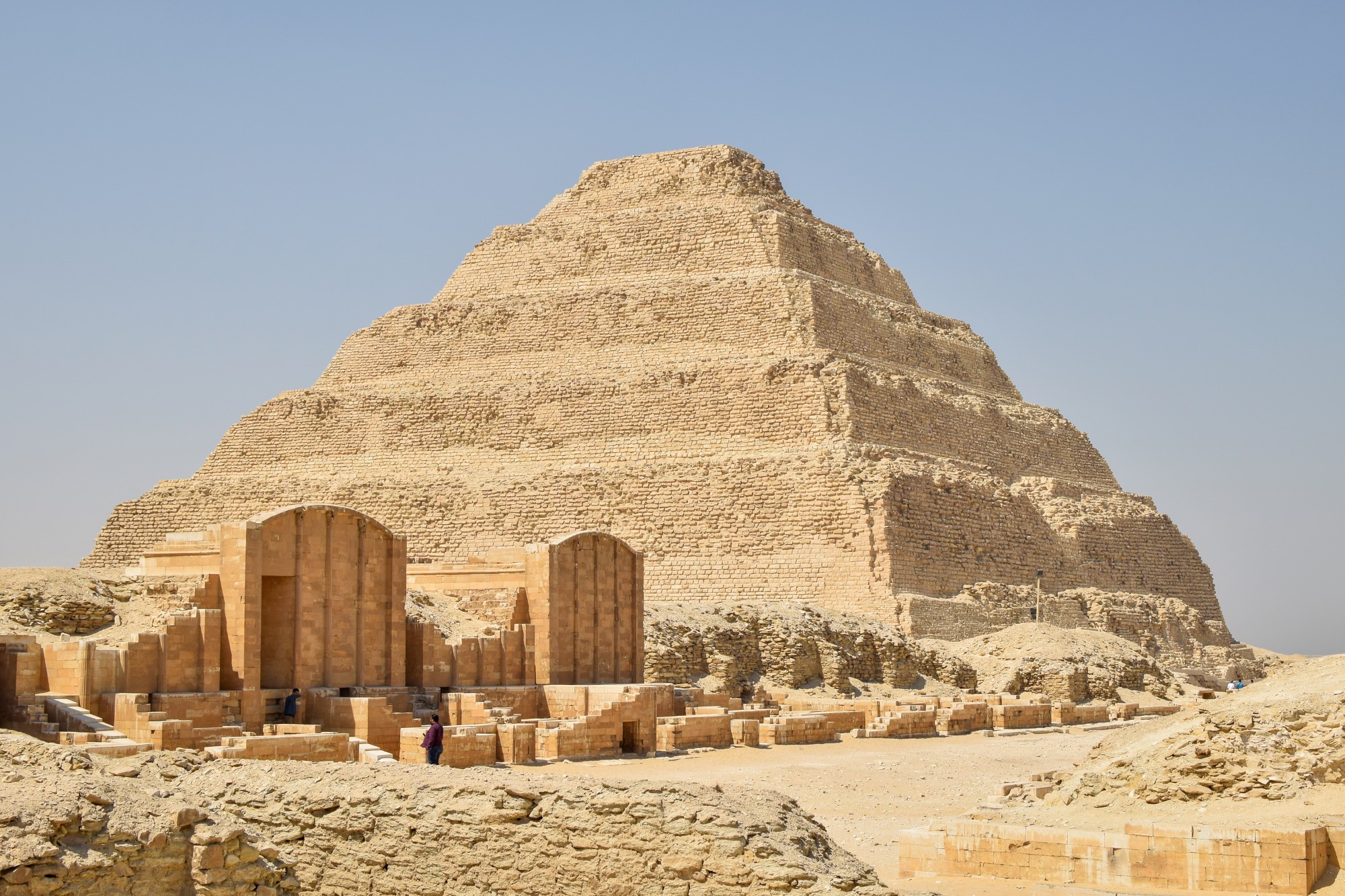
Djoser's Step Pyramid at Saqqara (Click on to Expand)
Saqqara to Amarna - a journey through Egypt's southern pyramid trail and into ancient Egypt's heartland.
Venturing south of the Giza Plateau offers travellers the chance to encounter a less-crowded but an equally captivating side of Egypt’s ancient world. Unlike the bustling pyramids of Giza, these sites provide a more intimate and immersive experience, where one can appreciate the evolution of ancient Egyptian architecture and culture in serene, often breathtaking settings. The journey unveils not just monuments, but the landscapes and communities that have thrived for millennia along the Nile’s fertile banks.
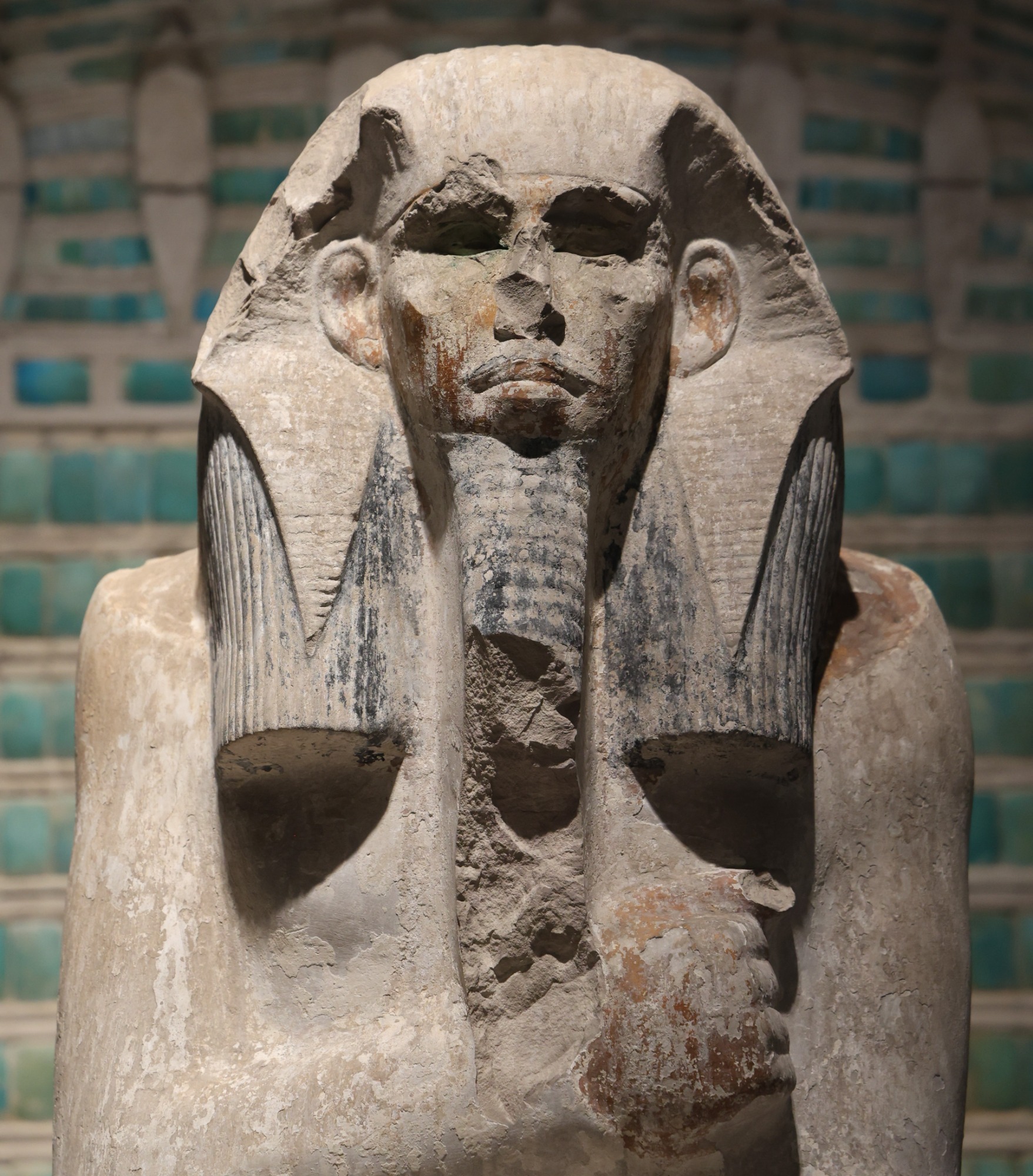
Pharaoh Djoser (Click on to Expand)
Saqqara and Memphis
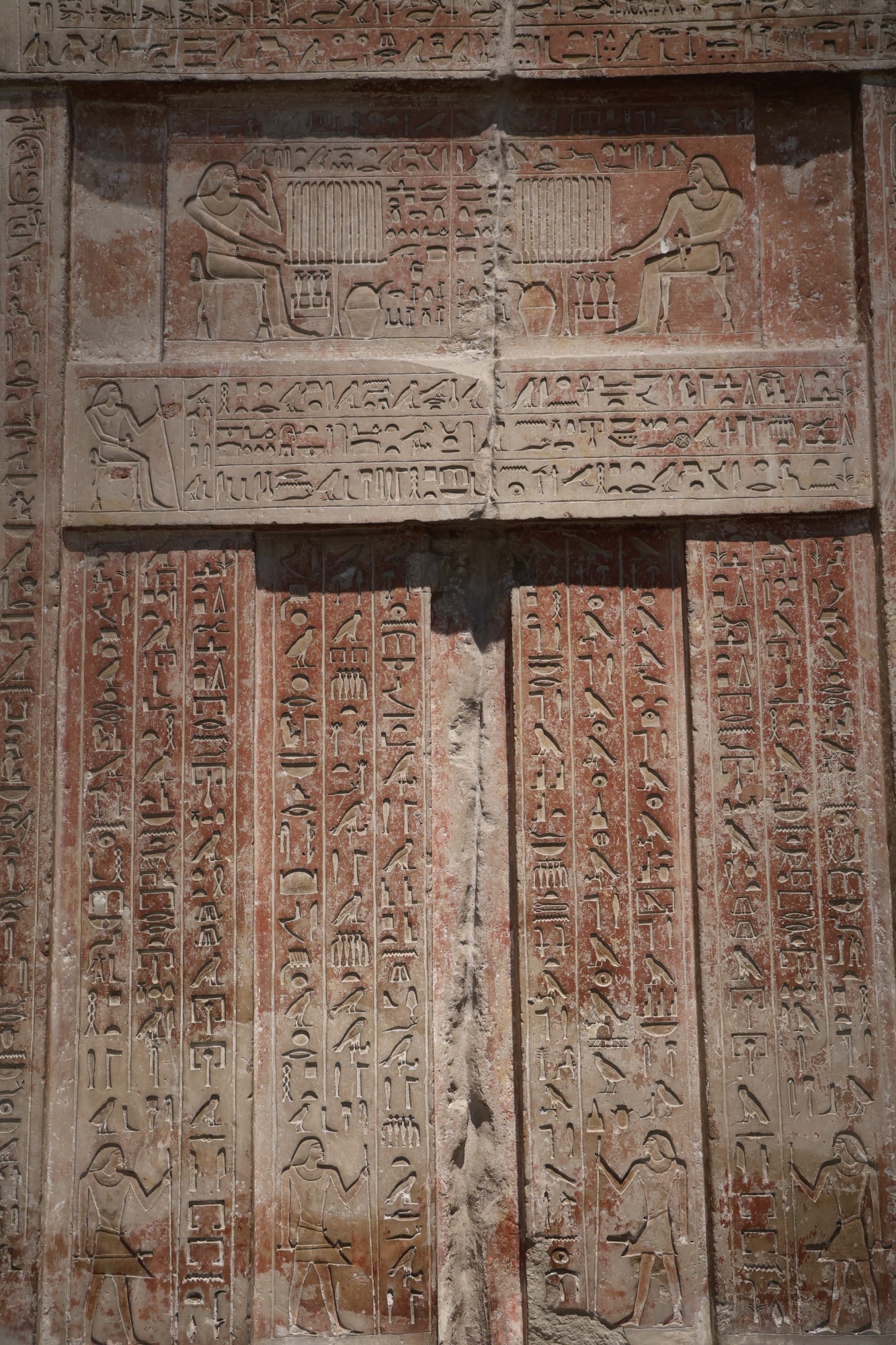
First on the route is Saqqara, famed for the Step Pyramid of Djoser, which marks a turning point in monumental stone construction. The necropolis here is a treasure trove, with tombs and mastabas spanning Egypt’s dynastic history. Wandering among its ruins, you gain a sense of the innovation and reverence that shaped early Egyptian civilisation.
Just north of Saqqara lies Memphis, once the bustling capital of ancient Egypt. Though much of its grandeur has faded, the open-air museum displays remarkable statues, including a colossal limestone figure of Ramses II and the enigmatic Sphinx of Memphis. The site provides a tangible link to Egypt’s political and spiritual heart during the Old Kingdom.
(Click on to Expand)
Abusir
Nestled between Saqqara and Dahshur, Abusir is a quiet necropolis featuring pyramids from Egypt’s Fifth Dynasty, including those of Sahure, Niuserre, and Neferirkare. While smaller than Giza’s, these pyramids show key developments in architecture and art. Visitors can explore mastaba tombs and temple ruins adorned with Old Kingdom reliefs, all in a peaceful setting away from the crowds. The discovery of the Abusir papyri here has also revealed much about ancient Egyptian administration and daily life.
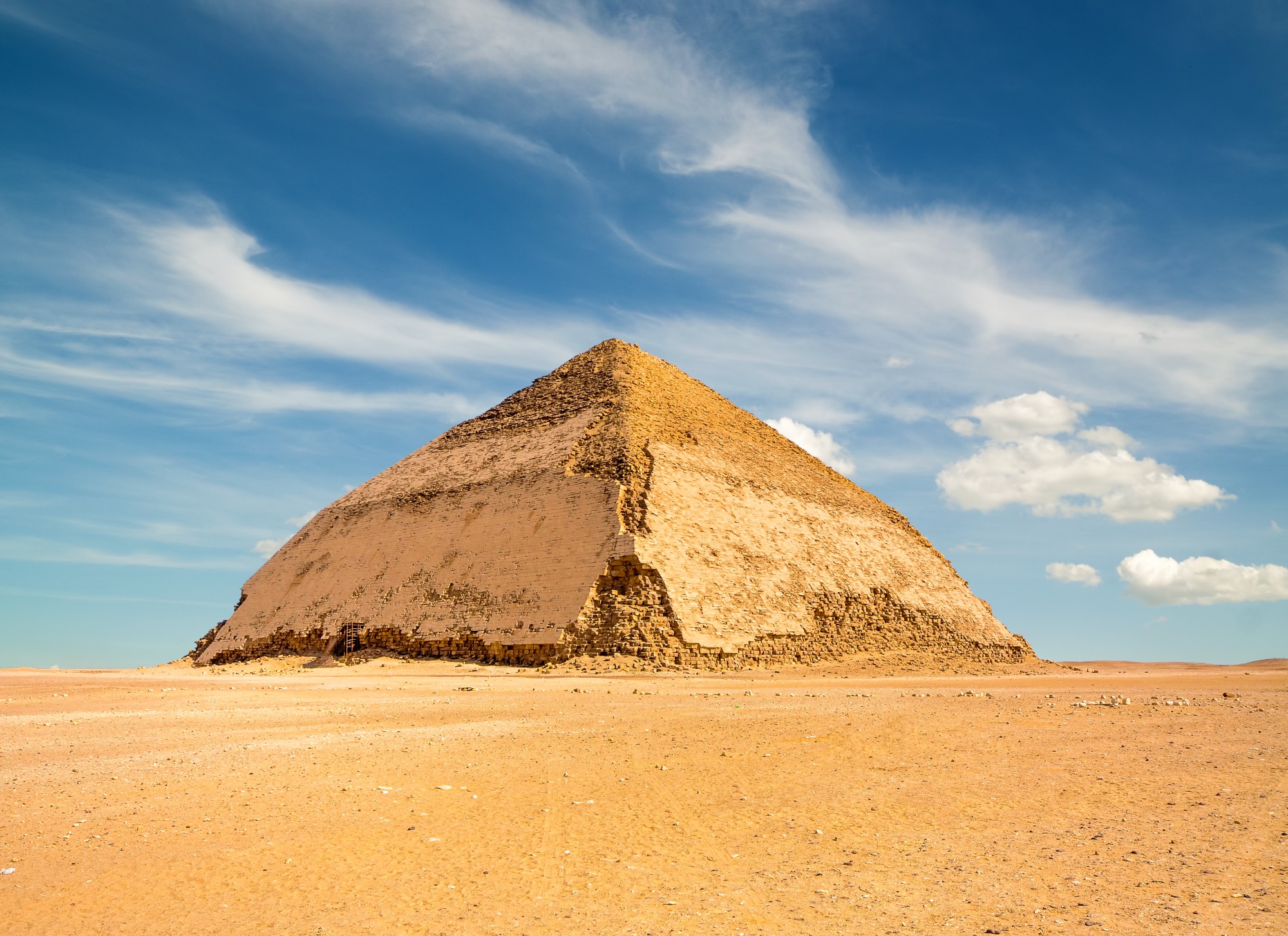
The Bent Pyramid (Click on to Expand)
Dahshur
Continuing south, Dahshur boasts the striking Bent and Red Pyramids. These monumental structures showcase the architectural experimentation that paved the way for the classic pyramid form. The Bent Pyramid, with its unusual angle, and the elegant Red Pyramid, considered Egypt’s first ‘true’ pyramid, highlight the ingenuity and ambition of the builders.
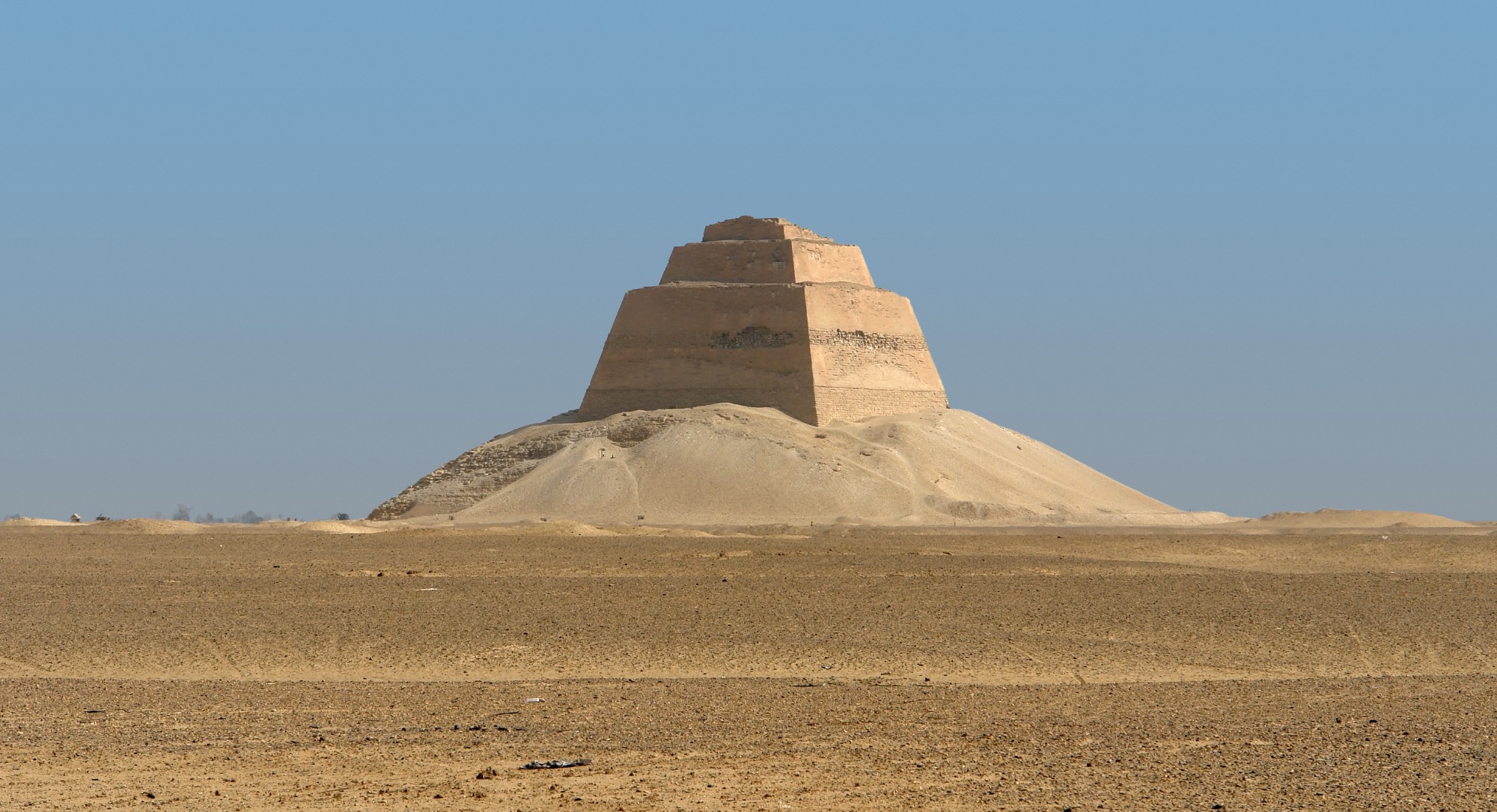
Meidum (Click on to Expand)
Meidum
Further afield, the Meidum Pyramid stands as a mysterious and imposing relic. Once believed to be a step pyramid transformed into a smooth-sided structure, its partially collapsed shape has earned it the nickname “the Collapsed Pyramid.” The site is quiet, offering visitors a chance to reflect on the evolution of pyramid construction and explore the surrounding mastaba tombs.
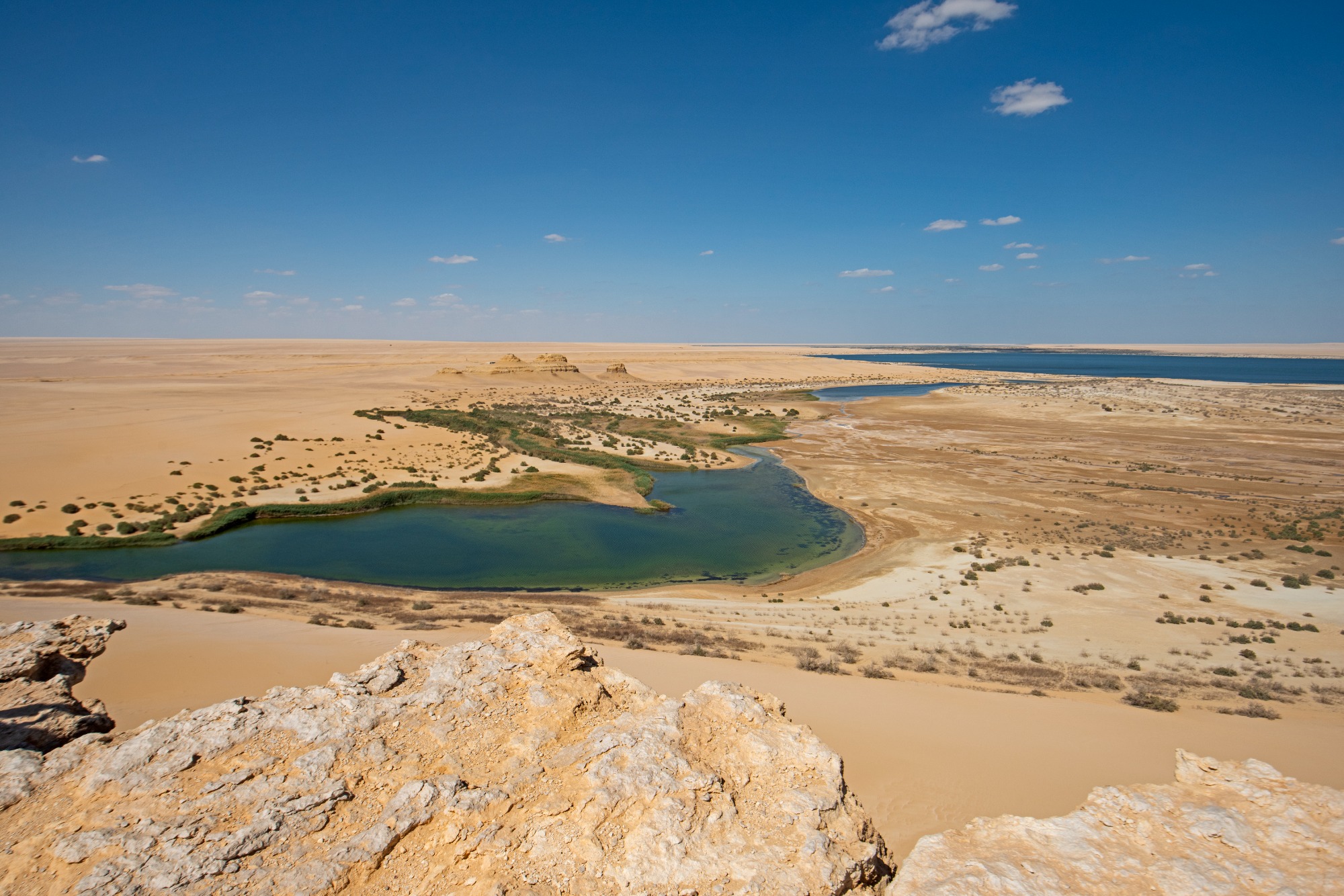
al-Fayoum (Click on to Expand)
Fayoum Oasis
Southwest of Cairo, the Fayoum Oasis unfolds with verdant fields, tranquil lakes, and a legacy that stretches from the pharaonic era to Roman times. Sites such as Hawara and Karanis reveal the area’s significance, with Hawara’s pyramid and labyrinth attributed to Pharaoh Amenemhat III, and Karanis illustrating Egypt’s Greco-Roman heritage. The oasis is not only an archaeological wonder, but a living landscape shaped by centuries of ingenuity and cultivation.
Nature lovers can enjoy birdwatching around Lake Qarun, home to flamingos and other migratory birds. The area is renowned for its lush landscapes, making it ideal for scenic walks or cycling through the fields and palm groves. For those interested in local culture, exploring the traditional villages offers insight into rural Egyptian life, while sampling fresh produce and handicrafts at the local markets is a delightful experience. Don’t miss the chance to see the impressive waterfalls at Wadi El-Rayan and the fossil-rich desert at Wadi El-Hitan, both of which showcase the region’s natural wonders alongside its historical treasures.
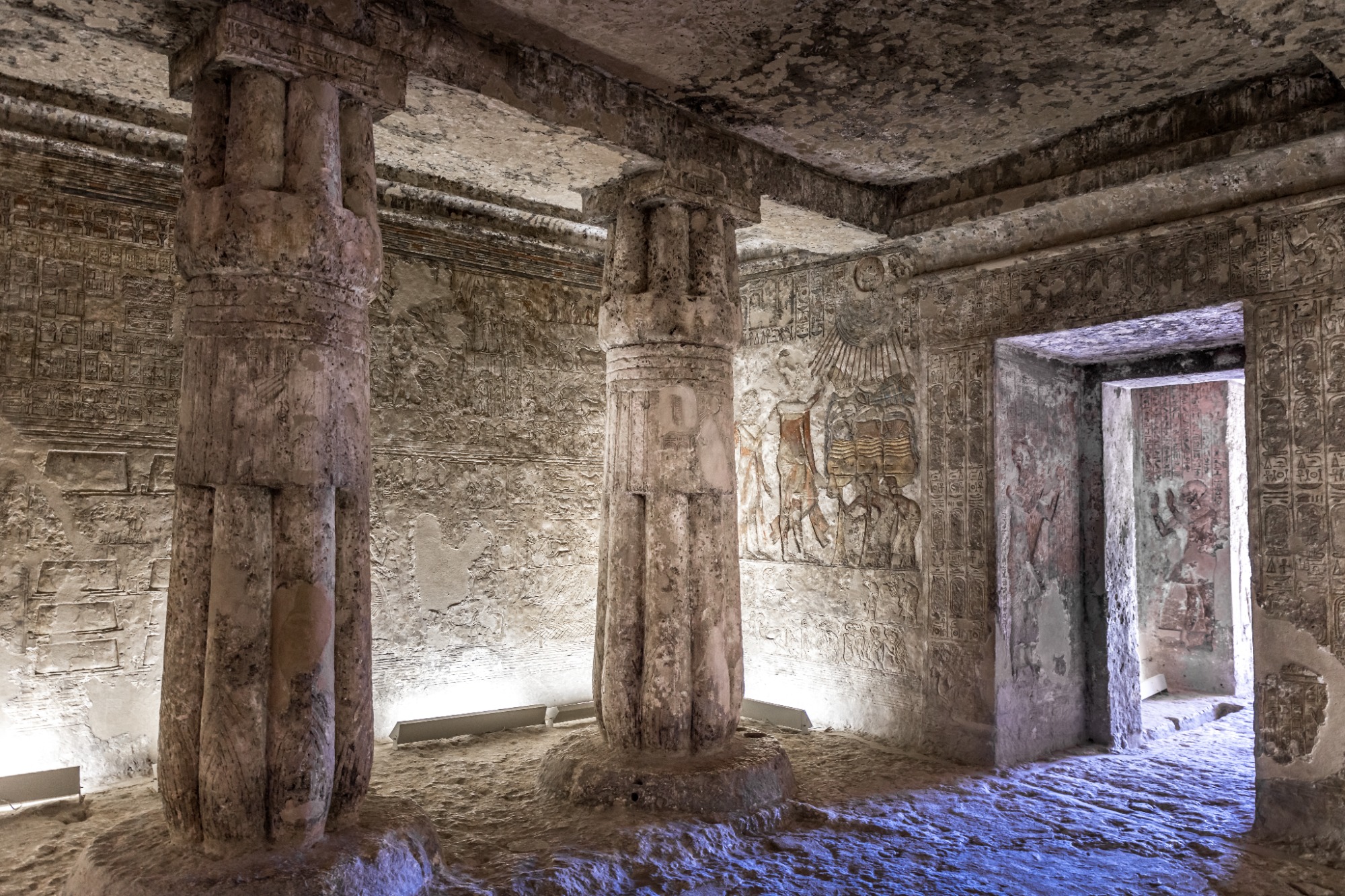
Amarna Tomb (Click on to Expand)
Onward to Amarna
Travelling south along the Nile, the cliffside tombs of Beni Hasan reveal vivid scenes of daily life and foreign visitors from the Middle Kingdom. Their artistry and preservation make this site a must-see.
The journey culminates at Amarna, the site of Pharaoh Akhenaten’s short-lived capital, Akhetaten. Here, visitors can explore the remains of the Royal Tomb, city temples, and the boundary stelae that mark the extent of this ambitious urban experiment. The site is intimately tied to Akhenaten’s radical religious reforms and the artistry of the Amarna period, offering a unique window into a fascinating chapter of Egyptian history.
Exploring these highlights south of Giza is a voyage through the shifting sands of time, from the dawn of pyramid building to revolutionary moments in Egypt’s spiritual and artistic evolution. Each site, distinct in character and story, contributes to the rich tapestry of Egypt’s enduring legacy.
Further Information:
Tours and Detailed Information on Places to Visit and Major Sites of Interest
Should you have any questions please feel free to either call us on 0800 654 6364, email us at info@globalencounter.co.uk or request further information using the link below :
Illustrated Tours and Excursions

All tours provided by Global Encounter Limited are 100% fully bonded to guarantee your financial protection
And to help you find your way around: an interactive Map of Cairo